The morning of a trip is rarely calm. You’re checking your boarding pass, looking for your suitcase and making sure you didn’t leave anything behind. For someone who wears hearing aids, one extra question often pops up: “What do I need to do differently while traveling?” Fortunately, not much.
You can wear your hearing aids through airport security, use them throughout a flight and continue enjoying clear communication during your vacation. The key is preparation.
Start Before You Leave Home
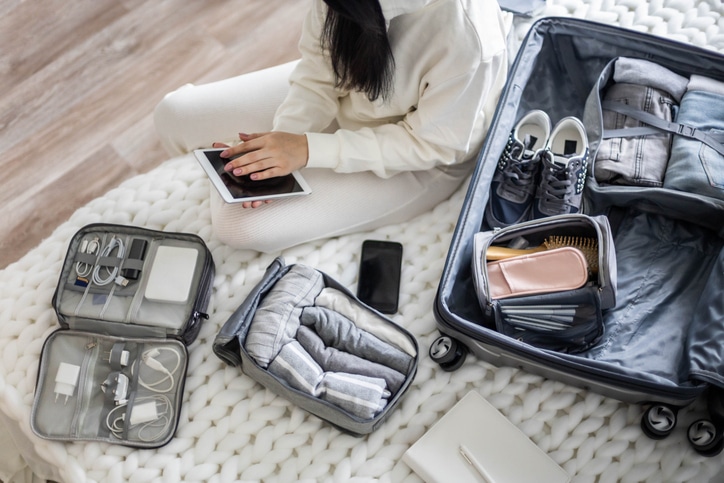
Imagine arriving at your destination only to realize that your charger is sitting on the kitchen counter. That situation is easy to avoid by packing hearing aid supplies early.
Consider bringing:
- Backup batteries
- Charging equipment
- Cleaning supplies
- Extra hearing aid accessories
- A protective storage case
Having extras can provide peace of mind, especially during longer trips.
Going Through Airport Security
When you’re going through airport security, do not remove your hearing aids. Let the TSA staff know you’re wearing hearing aids and ask for help if you can’t quite hear them. Your devices are unlikely to set off the detectors, but if they do, TSA may perform a pat-down or device inspection.
During the Flight
Airports and airplanes are noisy environments. Even people without hearing loss sometimes struggle to understand announcements over background noise.
Many hearing aid users prefer to keep their devices in place throughout the travel day. Doing so can make it easier to hear gate changes, boarding instructions and conversations with airline staff.
Can Airplane Travel Damage Hearing Aids?
No. Commercial air travel does not typically damage hearing aids. The greater concern is protecting them from moisture, loss or accidental damage during the trip.
A beach vacation looks very different from a normal week in Macon. Sand, sweat and humidity can affect hearing aid performance. Store your devices safely when swimming and avoid exposing them to excessive heat whenever possible.
Cleaning Your Hearing Aids
The best approach is simple daily cleaning. According to the National Institute on Deafness and Other Communication Disorders, regular maintenance helps hearing aids function properly and remain in good condition.2
You don’t need an elaborate cleaning process. At the end of each day:
- Wipe away moisture
- Remove visible wax buildup
- Inspect openings and microphones
- Store devices overnight in a dry location
Enjoy the Trip
Travel should be about experiences, not worrying about your hearing aids. With a few supplies and a little daily attention, you can focus on where you’re going instead of the devices you’re wearing. If questions come up before your next trip, The ENT Center of Central Georgia can help you prepare with confidence.
Sources
1 Transportation Security Administration. “Disabilities and Medical Conditions.” https://www.tsa.gov/travel/tsa-cares/disabilities-and-medical-conditions