An estimated 15% of U.S. adults have hearing loss.[1] For those treating hearing loss with hearing aids, it’s important to create a routine maintenance plan to ensure your devices stay working well for as long as possible.
Here are two easy habits to add to your nightly routine.
Give Your Hearing Aids a Quick Cleaning
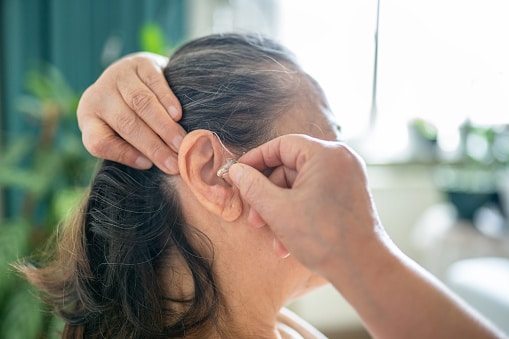
Throughout the day, hearing aids collect earwax, dust, oil and other debris that can interfere with sound quality. Cleaning them each night helps prevent buildup and reduces unnecessary wear and tear.
Most hearing aid maintenance includes the following steps:
- Use the cleaning brush or wax removal tool to clear away visible debris
- Wipe the outside of the devices with a soft, dry cloth
- Check the wax guards and replace them if needed
- Clean the vents using a vent cleaning tool
- If your hearing aids have removable earmolds or tubing, detach and wash them according to your hearing care provider’s instructions
- Allow all components to dry completely before reassembling them
Even if you’re short on time, brushing away wax and wiping down the exterior each evening can make a noticeable difference.
Protect Your Devices From Moisture
Moisture is one of the most common causes of hearing aid problems. Sweat, humidity and a sudden rainstorm during a day in Fountain Park can all cause moisture buildup in the delicate electronic components of your devices, affecting sound quality and battery performance.
If you’ve spent the day exercising, working outdoors or enjoying the warm, often humid Georgia weather, place your hearing aids in a hearing aid dehumidifier overnight.
Keep Your Hearing Aids Performing Their Best
Daily maintenance is one of the easiest ways to protect your hearing aids and keep the sound clear and reliable. Pairing a consistent at-home care routine with regular cleanings and checkups from our specialists at The ENT Center of Central Georgia will help your devices continue performing well for years to come.
[1] National Institute on Deafness and Other Communication Disorders. (2024). Quick statistics about hearing. U.S. Department of Health and Human Services, National Institutes of Health. https://www.nidcd.nih.gov/health/statistics/quick-statistics-hearing