Tinnitus is a common phenomenon affecting 10% to 25% of adults, which refers to the presence of a ringing, buzzing or hissing sound in your ear with no identifiable source. Whether the noise only shows its face every once in a while or becomes a permanent guest, it will likely have you wondering how to effectively block it out. One method people often ask about is earplugs.
Unfortunately, while earplugs are essential tools for protecting your hearing, they can’t block out the sound of tinnitus.
Why Can’t Earplugs Block Tinnitus?
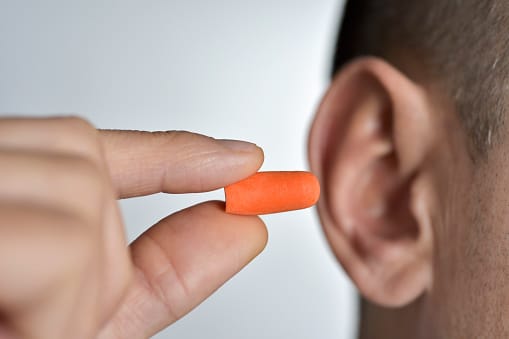
Earplugs stop or soften sound entering your ears, but they can’t stop sound that your brain generates—as is the case with tinnitus. In some cases, blocking external sounds with earplugs can make the ringing feel even louder.
In place of earplugs, you can use headphones or hearing aids to practice a technique called sound masking. The technique helps minimize tinnitus by diverting your brain’s attention away from the internal ringing and towards a soothing external sound.
While earplugs can’t stop the tinnitus you already have, they can reduce your risk of hearing damage, potentially preventing tinnitus from progressing further.
How Does Protecting Your Hearing Safeguard Against Tinnitus?
Approximately 90% of tinnitus cases have an underlying hearing loss. Your brain is used to hearing a certain amount of noise, from people talking to the wind rushing around you in Tattnall Square Park. When you develop hearing loss, some of that sound disappears, leaving your brain to generate its own noise in the form of tinnitus.
Next to aging, loud noise exposure is one of the most common and preventable causes of hearing loss. Wearing earplugs when you go to concerts, work with construction tools or do anything else that exposes you to unsafe noise levels will protect your hearing in the long run and, hopefully, help prevent worsening tinnitus.
Schedule a Tinnitus Consultation
If tinnitus is adversely affecting your life, contact The ENT Center of Central Georgia today. We can walk you through a few different effective treatment options and find additional ways to help protect your hearing moving forward.